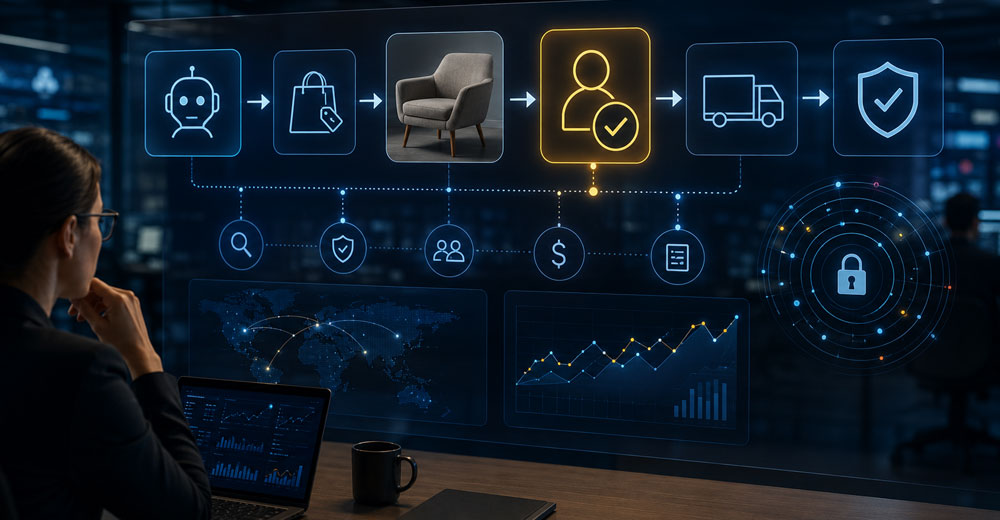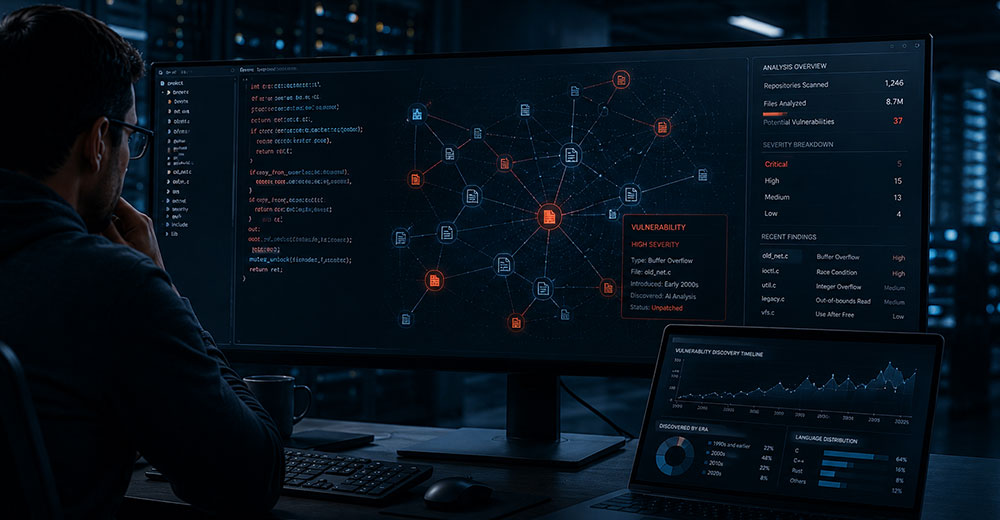

More than just a high-speed task automation tool, artificial intelligence (AI) is becoming a controlled environment for brands to test customer experiences that would be too risky, expensive, or complex to conduct in the real world.
Companies can run predictive experience simulations to uncover hidden opportunities by creating hyper-realistic digital twins of customers and physical environments. This emerging technology lets brands leverage AI-powered virtual experiments to live the experience, enabling leaders to anticipate customer behavior before it plays out in the real world.
This approach mimics real customer behaviors and reactions through a series of what-if experiments. Brands can test high-stakes ideas before deploying them in real customer settings.
Traditional CRM software is often criticized for being a rear-view mirror approach. According to Michael Mallett, VP of Digital GTM and strategy at experience management platform Medallia, it has always been the system of record for customer behavior across digital and physical channels. What’s changing is what companies can do with that data.
“By organizing it into a ‘digital twin of the customer’ and filling in gaps with modeled data, brands can move from static history to forward-looking simulation,” he told CRM Buyer.
Paired with modern analytics and automation, CRM stops documenting the past and starts helping teams design better future experiences. In this model, CRM becomes a core execution layer for experience strategy, not just a database.
Predictive Simulation Moves Beyond A/B Testing
A/B testing is a comfort zone for most brands. Not only is it simple and controlled, but it is also a narrow approximation of real life, according to Mallett. Real customer journeys are multichannel and full of edge cases.
“Digital twins of customers can incorporate more signals such as behavior, product usage, operational constraints, and physical-world inputs,” Mallett explained.
Instead of testing one change at a time, teams can evaluate entire journeys and interaction systems. Evaluating experiences at this level allows organizations to explore more ideas, reduce risk, and make better decisions before changes reach real customers.
The key component is moving beyond demographic data to capture the nuance of human emotion, irrationality, and spontaneous behavior. Most companies already have the raw material, Mallett added.
The process requires connecting three layers of information. First, there are experience signals like feedback, conversations, and frontline notes. Second are operational signals such as product usage, transactions, and service history. Third is a layer of meaning that reflects preferences, motivations, and attitudes.
“When these are combined, companies stop modeling what customers say and start modeling what they are likely to do and how the business will be affected,” he said.
Integrating Physical Store Data Into CRM Models
Modern systems can combine digital representations of physical spaces with data from cameras, sensors, and transaction systems. Testers can connect that information to customer and operational data to understand how people move through a space and where friction appears.
“Teams can test layout changes, staffing models, or process changes virtually and see how those changes affect flow, wait times, and customer experience before making costly real-world changes,” Mallett noted.
Citing McKinsey research, he added that digital twins can accelerate decision-making by 90%, with customer utilization twins specifically leading to up to 10% revenue increases.
He shared these examples of high-stakes brand experiments that would be too expensive or brand-damaging to fail in the real world but are possible within a virtual AI sandbox:
- Major website or app redesigns, physical location redesigns, and significant changes to service operations
- A bad digital experience can permanently lose customers
- A failed store redesign can waste millions in capital
- A poorly executed service automation rollout can damage trust
“In all these cases, teams can now test changes in a simulated environment first, reduce risk, and improve execution before rolling anything out broadly,” Mallett said.
Better Alternative for C-Suite Executives
Mallett suggested that instead of reading charts, executives can explore customer journeys directly and ask practical questions about what customers experience and where things break down. When these immersive experiences connect to physical locations or training environments, leaders can see how decisions affect real interactions.
“This creates a much stronger understanding of the customer experience than reviewing reports alone and makes problems and tradeoffs more tangible,” he said.
Virtual experiments allow leaders to bypass current trends and actually rehearse for customer behaviors that haven’t emerged yet. With AI models built from real historical data, teams can introduce new assumptions such as pricing changes, new products, or new service models, and see how customers and operations might respond.
“They can also use modeled data to explore scenarios that have not yet shown up in their own business. This makes it possible to prepare and create seamless experiences instead of reacting after the fact,” Mallett explained.
Why Traditional Research Falls Short
Research based on surveys and focus groups often suffers from a stated-preference bias. AI mimicry helps brands uncover friction points that customers themselves might not even realize they have, according to Mallett.
“Customers can only describe what they remember and what they notice. Digital twins of customers allow companies to see the full journey and where problems actually occur,” he said. “This often reveals friction that customers would never think to mention in a survey because it happens across systems or over time rather than in a single moment.”
Take Lowe’s as a strong example. The retailer has invested heavily in digital store modeling and simulation to evaluate layout and operational changes before rolling them out broadly.
“On the customer side, early adopters of customer modeling approaches have shown large improvements in marketing performance by tailoring messages and experiences based on predicted behavior rather than simple segments,” Mallett said.
Faster Paths From Testing to Deployment
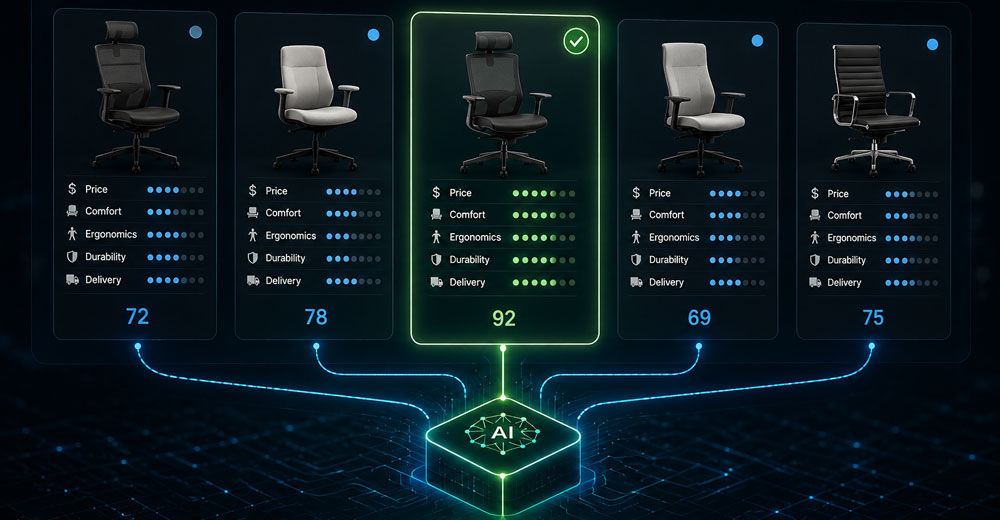
These AI-powered virtual testing systems evaluate patterns across historical data, live inputs, and business goals to narrow down which scenarios are most promising. Instead of blindly testing endless combinations, teams can focus on the options most likely to improve customer experience and business results.
“Human judgment still plays an important role, but the system helps teams focus their time and attention on what matters most,” Mallett noted.
In many cases, virtual testing shortens months or years to weeks or even days, he added, citing studies that show simulation approaches can dramatically cut development time.
“This is validated by McKinsey, which indicates that digital twins generally can reduce total development times by up to 50% while cutting quality issues by 25% upon entering production.”
The main limits are no longer technical. They are organizational, such as data quality, decision-making processes, and the ability to roll out changes consistently, he concluded.
Biggest Challenge: Execution
According to Mallett, once the virtual experiment provides a winning strategy, the marketing team must translate that digital insight into a real-world human interaction. Many organizations can identify what should change, but fewer can reliably turn those insights into consistent day-to-day behavior across teams and channels.
“Until insights are tightly connected to how work actually gets done, even good strategies tend to stay trapped in pilot projects instead of becoming standard practice,” he cautioned.




















 Loading ...