
Today's customer feedback world is extremely complex, with data coming from a variety of sources. With the growing number of cross-functional teams and silos within an organization, leaders have found it increasingly difficult to capture a 360-degree view of the customer and drive true change.
While it's clear that problems exist, what's less straightforward is why CX practitioners face these challenges and how governance can make a big difference.
Challenges and External Forces
Organizations tend to struggle with their CX programs for a few key reasons:
- Lack of Structure: One big issue is not having clear ownership, roles, and responsibilities to govern management of the customer insights that might be coming (or not coming) from an organization's customers. This can make it difficult to drive actions throughout the company.
- Lack of Support: Another challenge is around accountability and support. An extension of not having ownership, this lack of support can lead to a lack of metrics or leadership to back the key initiatives identified from the insights the organization is gathering.
- Lack of Skillsets: There's also a lack of methodologies, mechanisms, and skill sets needed to define and drive continuous improvement across the organization. Having a program or process in place is often the critical missing component that provides CX practitioners with the tools and skills needed to drive change, manage initiatives, and influence outcomes.
The common thread is that organizations have been struggling because they lack the right infrastructure and mechanisms. This means it is difficult manage and support any customer experience initiatives that they have implemented.
Lack of customer satisfaction often stems from breakdowns in internal processes, creating functional gaps across the organization. In today's one-click society, organizations need to adapt. Added to these challenges are external forces that drive the need for structure and transformation even further. The following have become necessary within many organizations:
- Digital Customer Transparency: Customers expect a lot from most organizations. They want full transparency into products available and services on offer. They demand a range of customer support tools, such as instant chat and live support (rather than prerecorded messages or prompts). Customers expect organizations to know who they are, what they have bought, and how satisfied they are with a product or service. They do not expect to have to explain themselves.
- Single View of the Customer: Organizations have been working to solve the puzzle of unstructured data by bringing together financial, operational, and customer-experience data to provide a comprehensive view of the customer. For example, a customer may log in to a business's website to request assistance but be unable to complete the request due to a technical issue. Wouldn't it be better for a call center to proactively contact a customer to help them complete their request, rather than requiring them to follow up?
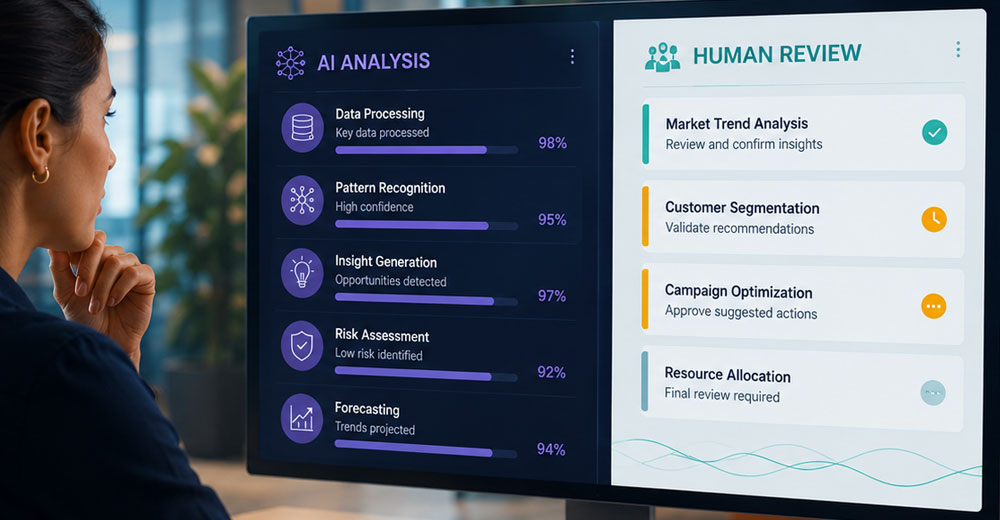
- AI/Predictive Analytics Models: This is a hot topic right now, discussed at many conferences, and a prominent buzzword in the industry. Organizations have been exploring ways to integrate predictive analytics and AI into their customer experience. Keep in mind that AI isn't perfect yet -- it's still growing and adjusting. Be patient and don't rush into adopting AI just because you may feel pressured to keep up with the trends. Wait until you find the right fit, not just any fit. In most cases, AI will augment humans -- it won't replace them.
The Need for Governance
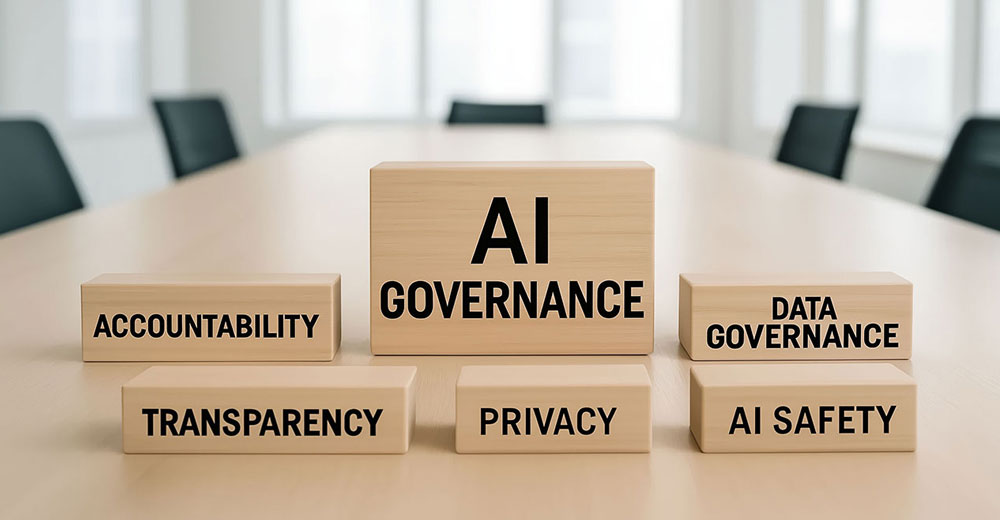
To meet these challenges, governance can support organizations as they adapt and change. "Governance" can be viewed as a dirty word, but it plays a critical role, particularly during periods of flux; it can hold things together and foster solidarity as the culture changes.
It can be helpful when employees are trying to adopt more customer-centric behaviors, or when organizations are integrating new technologies, new interaction flows or new ways of working. Governance is often overlooked in developing a strong customer experience model, but it is a critical component in helping organizations change their culture.
Processes and Standards
Governance can help organizations in two ways: first, it can create processes that deliver superior experiences; and second, it can establish standards that ensure quality experience delivery by default. Both have been helpful and valuable in improving the overall customer experience and have been particularly useful to businesses seeking to transform their culture to be more customer-centric. Good governance processes include the following:
- Cross-Collaboration on Design: The first process that produces superior experiences is standardized design practices. Organizations establish a design approach and make it available broadly across the organization. Organizations, including Airbnb, Facebook, IBM, and Intuit, have created their own design processes or glossaries of terms that provide detail and guidance to standardize the process across the organization.
- Consistent Customer Journey Mapping: The second process many organizations implement is a consistent, organization-wide approach to customer journey mapping. This may seem obvious, as virtually every organization is mapping customer journeys now, but some large businesses have a variety of ways to map them—sometimes in double digits! If there is no consistent way to journey map within an organization, practitioners cannot compare journey maps or use them to benchmark and improve them. It's important that journey mapping is not only completed consistently, but that actions are taken to improve those journeys and that responsibility is assigned for those actions and next steps.
- Equal Assessment of Customer Impact: A third process is to implement a consistent approach to assessing customer impact. Organizations must look at which customer experience drivers matter most to customers. Even if those drivers are outside the organization's control, it's important to identify and acknowledge their existence. Organizations are not just identifying those drivers but also finding a way to incorporate them into the existing business case (both approach and process).
- Post-Launch Reflections: The final process (with the implementation of the first three) is comparing projects post-launch to pre-launch predictions. This may seem obvious, but many organizations have not been doing this, and it represents a big missed opportunity. Is it having the impact that it was expected to have? Are the predictions accurate? Have the right projects been prioritized? All these questions need to be considered post-launch to track back to the original goals and purpose.
In addition to establishing processes, organizations must set standards that ensure a quality experience by default. This is another important part of governance, and one that is particularly relevant to individual employees as they look to adopt customer-centric behaviors. Standards are critical to prevent avoidable experience mistakes, to ensure consistent experience delivery, and to set a high bar for experience quality.
The Goldilocks Scale
Standards must be just right. They should not be too loose or too restrictive. They should provide guidance to employees, making it easy for them to be customer-centric without putting them in a straitjacket or forcing them to adhere "just so" to a process or a way of saying something.
For example, in customer interactions, employees should not be required to script every interaction or be deprived of the tools they need to answer questions fully. Rather, employees should have the information they need to answer questions and provide responses that meet the customer's needs. Think of it as freedom within a framework.
So, how can an organization implement the Goldilocks Scale?
First, standards should have a clear rationale, and the evidence for their implementation should be shared with employees.
Standards also need to be relevant to role, department, and geography to make them feel unique and tailored for each employee.
Most importantly, as needs change, standards must adjust, recede, or even go away entirely. Standards should be flexible and adaptable so that governance continues to serve a purpose and provide value to employees. If employees push back against governance, it may be time to revisit some of the organization's standards or processes.
Summing It Up
To conclude, things have been moving quickly, and there is much work to be done. It is important to have governance and standards in place to help an organization execute a better customer experience strategy in the long run.
Employees need standards and processes to work from -- as long as they are not too restrictive or too loose. Finally, getting the right people involved cross-functionally and getting them aligned with the organization's processes and structure is a recipe for success.
Spending time up front in these areas will make it easier in the long run to produce better work, develop and determine metrics and ROI, and further ensure the success of a CX program.










 Loading ...