
Zappos, online shoe emporium extraordinaire, has been expanding itsline of merchandise in recent years — offering clothes, watches and otherjewelry, and even housewares. For the consumer, the shift has appearedeffortless — just more categories to explore on the Web site.Behind the scenes, though, Zappos had to realign its warehouseoperations to accommodate the new items. Specifically, thesophisticated automated conveyor-based technology that routed the shoepurchases so well didn’t work so well for anything else.

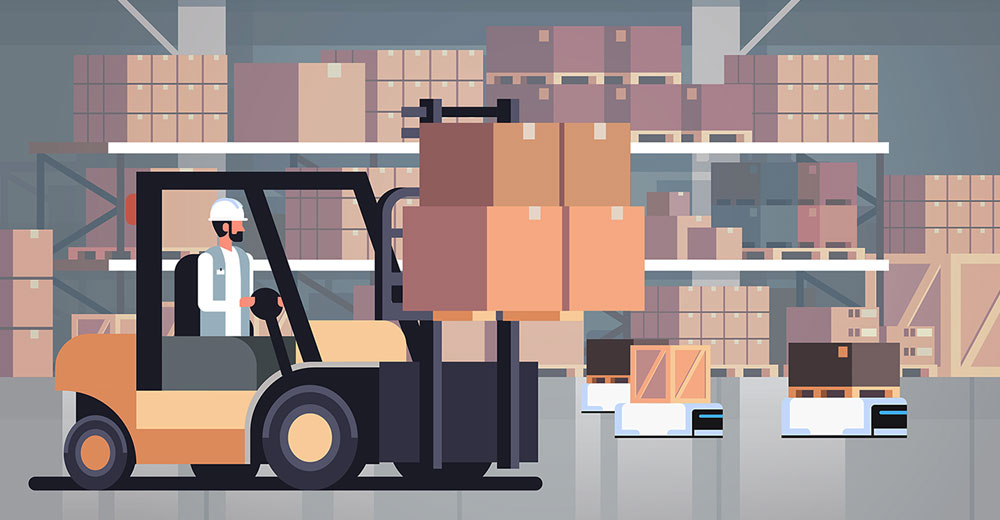
Zappos turned to Kiva Systems, which provides wireless automated andmobile fulfillment systems: robots, in sci-fi parlance, althoughKiva executives frown on the word. Indeed, the ottoman-shaped devicesdo not resemble anything like the robots we see in movies or imagine, based on descriptions in books.
Essentially, though, that is what they are, sliding beneath four-shelfstorage units, also designed by Kiva, and “humaned” by an employee at a workstation designed to oversee the overall operations.
They sort and deliver the products accordingly.Today, Zappos’ order fulfillment facility is divided into two zones: aconventional automated zone and one that is based on Kiva’s systems,Mitch Rosenberg, vice president of marketing for Kiva, told CRM Buyer. Aconveyor belt connecting the two zones is used to handle mixed orders,which are completed in the Kiva zone.
A year after it implemented the Kiva system, Zappos has cut its ordercycle time by a factor of four, Rosenberg said, noting that even if the existingsystem had been flexible enough to handle the new merchandise, Zappos still would have found its investment cost-effective.
“It’s less expensive than other alternatives, offering notonly strategic benefits but also a boost to [everyday] operations,” he said.
Zappos has publicly stated several times that it expects to shiftmost, if not all, of its warehouse operations over to a Kiva-basedsystem, according to Rosenberg.
Other companies are also automating parts of their warehouseoperations with these devices; Kiva counts Walgreens, the Gap andStaples among its clients.
Back to the Future?
As jobs continue to vanish in the country’s manufacturing base, theabove scenario is no doubt alarming — despite assurances that robots rarely replace actual jobs. That alarm should be tempered by the fact that there are a few obstacles to widespreadadoption of robotics in the supply chain, starting with the fact thatKiva is about the only provider of this specialized technology.
There are other challenges, though.
“I don’t know if anyone can tell youwith any certainty that yes, we will see robots as mainstreamcomponents of the supply chain in five, 10 or even 25 years,” TomBonkenburg, director of European operations for the St. Onge Company,based in the Netherlands, told CRM Buyer.
The global economicdownturn is delaying investment of any sort — especially in forward-looking technologies such as robotics. Even the most-advanced systems on the market today cannot actually duplicate the ability of humans to reach into a box and grab just the right item in order to place itsomewhere else.
Kiva has a response to that — but first,there’s a case burning to be made for implementing robotics despite the limitations.
Getting Better All the Time
Robots are currently used for multifaceted activities andacross various industry verticals, MuthuramanRamasamy, a senior research analyst in Frost &Sullivan’s industrial automation and process control team, told CRM Buyer.
The benefits includeimprovements in worker productivity, better workplace ergonomics andmaximization of order-fulfillment for end-users, Ramasamy said.
Energysavings is another factor: Robots, for instance, do not requireair conditioning, Pat Penfield, assistant professor of supply chainmanagement in the Whitman School of Management at Syracuse University, told theE-Commerce Times.
The list of immediate benefits is a long one, Bonkenburg agreed:labor reduction, elimination of repetitive tasks, increased orderaccuracy, working nonstop 24/7, protection from hazardous products,and so on.
The reasons start to resonate even more when long term trends are factored in.
“More recently, however, we see our customers lookingstrategically at robotics to protect themselves from the challenges ofthe coming demographic and labor market shifts,” noted Bonkenburg.
These include rising healthcare costs, shrinking labor forces in manymarkets, new governmental safety standards, and the ever-present factthat quality people are hard to find.
“Many warehouses are struggling to compete with McDonald’s foremployees, and over the next 10 to 20 years, these pressures willonly increase as the baby boomers retire.”
Bonkenburg’s illustration of these pressures comes from the owner of abeer bottling franchise: “He invested (US)$8 million dollars of his ownfamily money to buy an automated case-picking system that gave a long,10-year payback. When I asked him why would he do this, he said, ‘Tom,I could have bought a yacht, but I felt that eliminating my third-shift headaches would make my life much happier.'”




















 Loading ...




























Social CRM
See all Social CRM